
How should Physical AI be designed for everyday life?
A place to talk about Physical AI from the perspectives of industrial design and human–robot interaction. For now it focuses on robots used alongside people in everyday places such as homes, shops and hospitals, and will later widen to factories and other industrial settings.
PO’ME
- PROJECT
- AI Reading Companion Robot (PO’ME)
- FUNDING
- Ministry of Culture, Sports and Tourism
- PERIOD
- April 2022 – December 2023
- LEAD INSTITUTION
- GIST
- PARTICIPATING INSTITUTIONS
- UNIST (DECS Lab) and 5 others
- DESIGN LEAD
- Seungbin Jeong
What is Physical AI Design?
Physical AI Design is the practice of designing the form, function and behaviour of products that sense their surroundings, make decisions and act in the physical world, so that people can choose them and keep using them. Here we look at the past and present of the products leading to Physical AI, and study how future products should be designed.
Products that sense, decide and act
NVIDIA describes Physical AI as letting autonomous systems such as cameras, robots and self-driving cars perceive, understand and reason about the physical world and perform complex actions in it. In research, Miriyev and Kovač (2020) define it as the theory and practice of synthesising nature-like intelligent robotic systems. The two definitions differ in focus, and the term is still settling.
Form, function and behaviour, designed together
The World Design Organization defines industrial design as a strategic problem-solving process that leads to a better quality of life through products, services and experiences. Bartneck and Forlizzi (2004) describe social robots through form, modality, social norms, autonomy and interactivity, and note that design approaches form as the total expression of the product. Hoffman and Ju (2014) argue that robots should be designed with their movement in mind, since movement can communicate and engage in ways surface appearance cannot.
From choice to continued use
Following 30 households with a Roomba for six months, Sung et al. (2010) showed that a robot is accepted in stages: pre-adoption, adoption, adaptation, and use and retention. Reviewing long-term studies, Leite et al. (2013) found that the novelty effect wears off quickly and interest declines. Placing 70 robots in homes for six months, de Graaf et al. (2017) concluded that robots must be functionally relevant to keep people using them over the longer term.
This question began with two experiences.
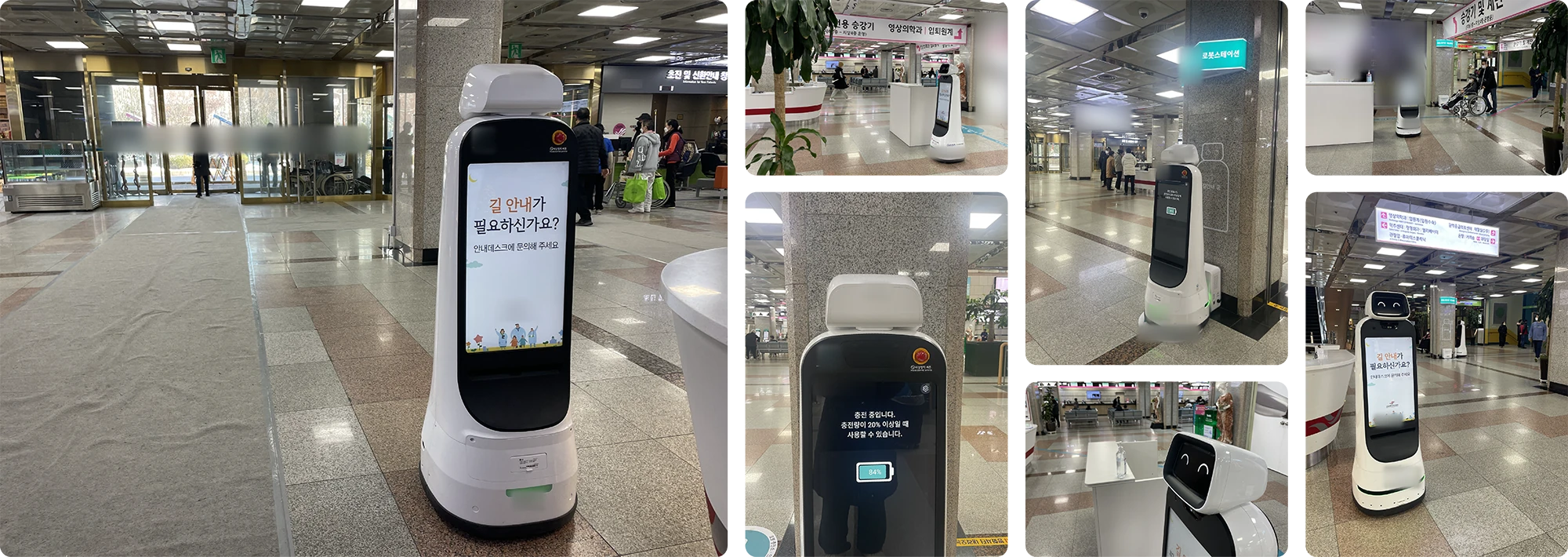
Guide robots no one used
Over several months in a university hospital lobby, I never once saw anyone use the guide robots.
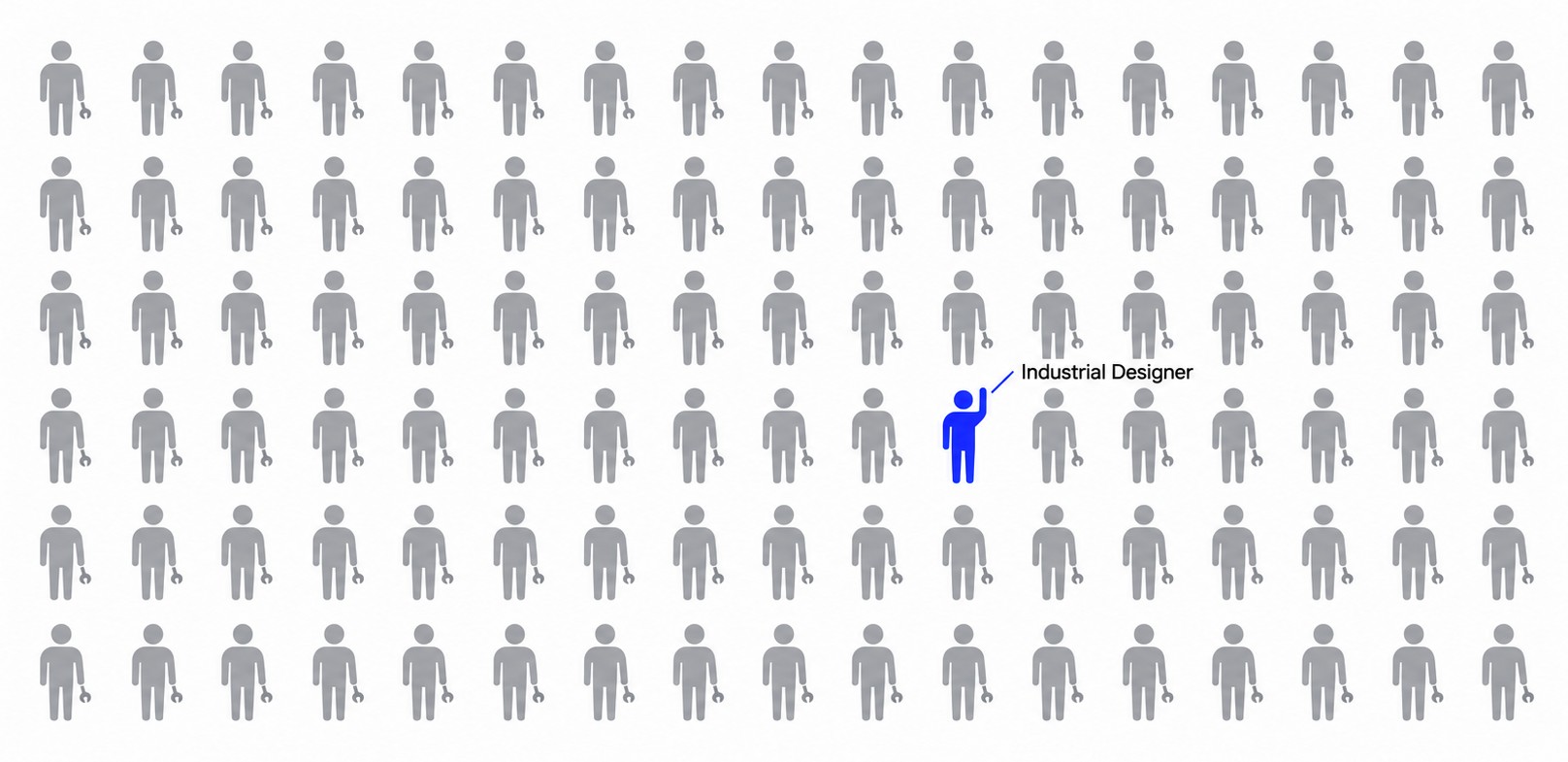
One product designer
At one of Korea’s largest robotics companies, I was told that design meant one designer working on a robot’s exterior after its development was finished.
For Physical AI to truly settle into everyday life, the idea of design has to be reflected more broadly and more deeply. Because design is the most effective, proven tool we have for making technology stay in everyday life.
— Editor
New writing and records
Why do social robots fail? (2/2)
Part 2. Balancing expectations and cost, and the weight of the word “robot”
Archive2022–presentAmagami Ham Ham: a finger-nibbling plush robot with about 70,000 units shipped
Official store sold out; new characters keep comingArchive2020–presentCoco: a delivery robot that spread to four cities and met pushback on the sidewalk
In operation (Los Angeles, Chicago, Miami, Helsinki)Methods, questions and progress from the research.